The Promise We Built and the Silence We’re Left With
We owe the community more than a halted vision.
I have been sitting with a mix of emotions I can’t quite shake—disappointment, frustration, and a deep sense of loss.
Not just because the DC Streetcar has shuttered, but because I remember what it represented when it was first introduced: possibility.
I remember being in the middle of it all.
I Was There When We Asked the Community to Believe
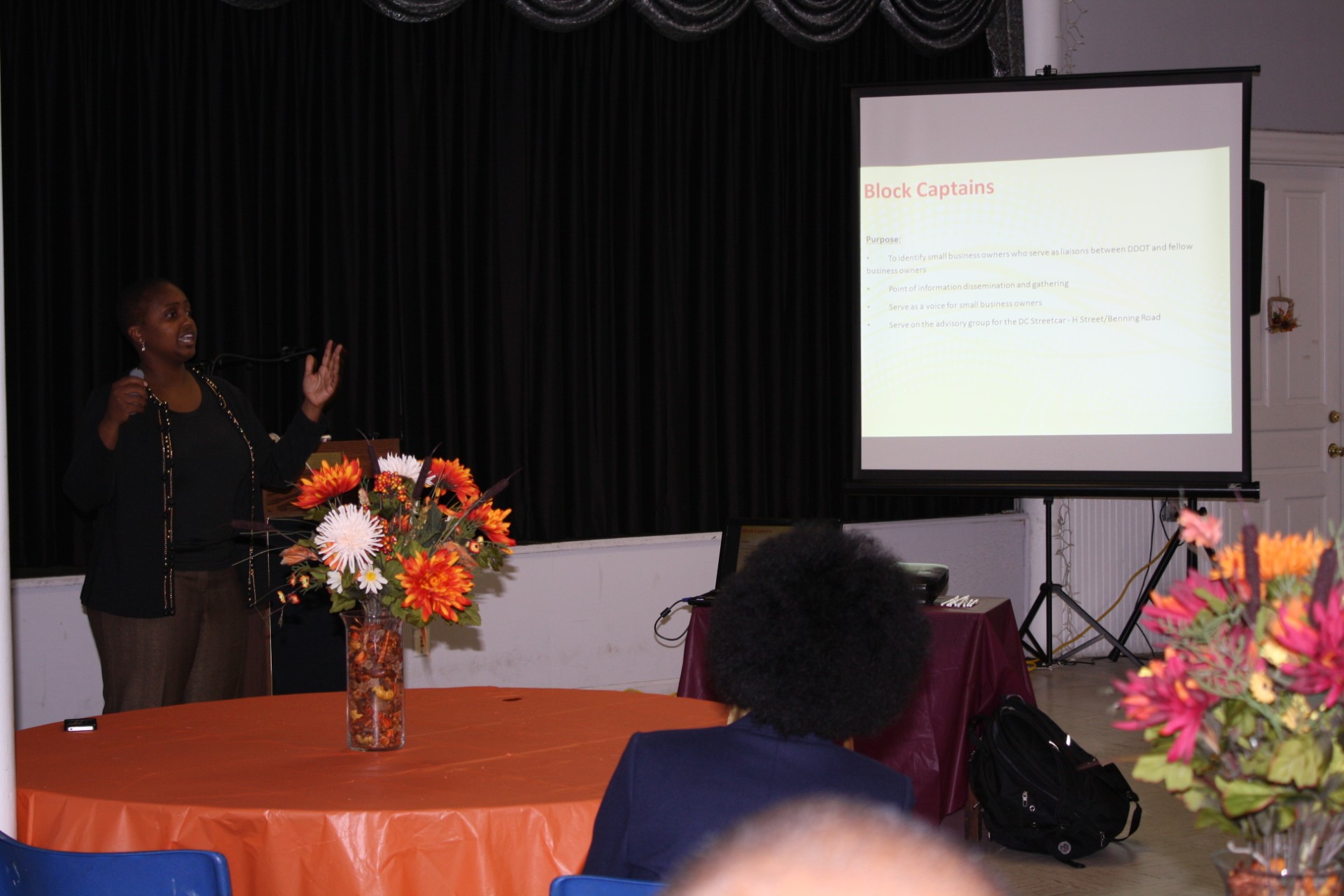
I didn’t just observe the Streetcar project—I helped carry it into the community.
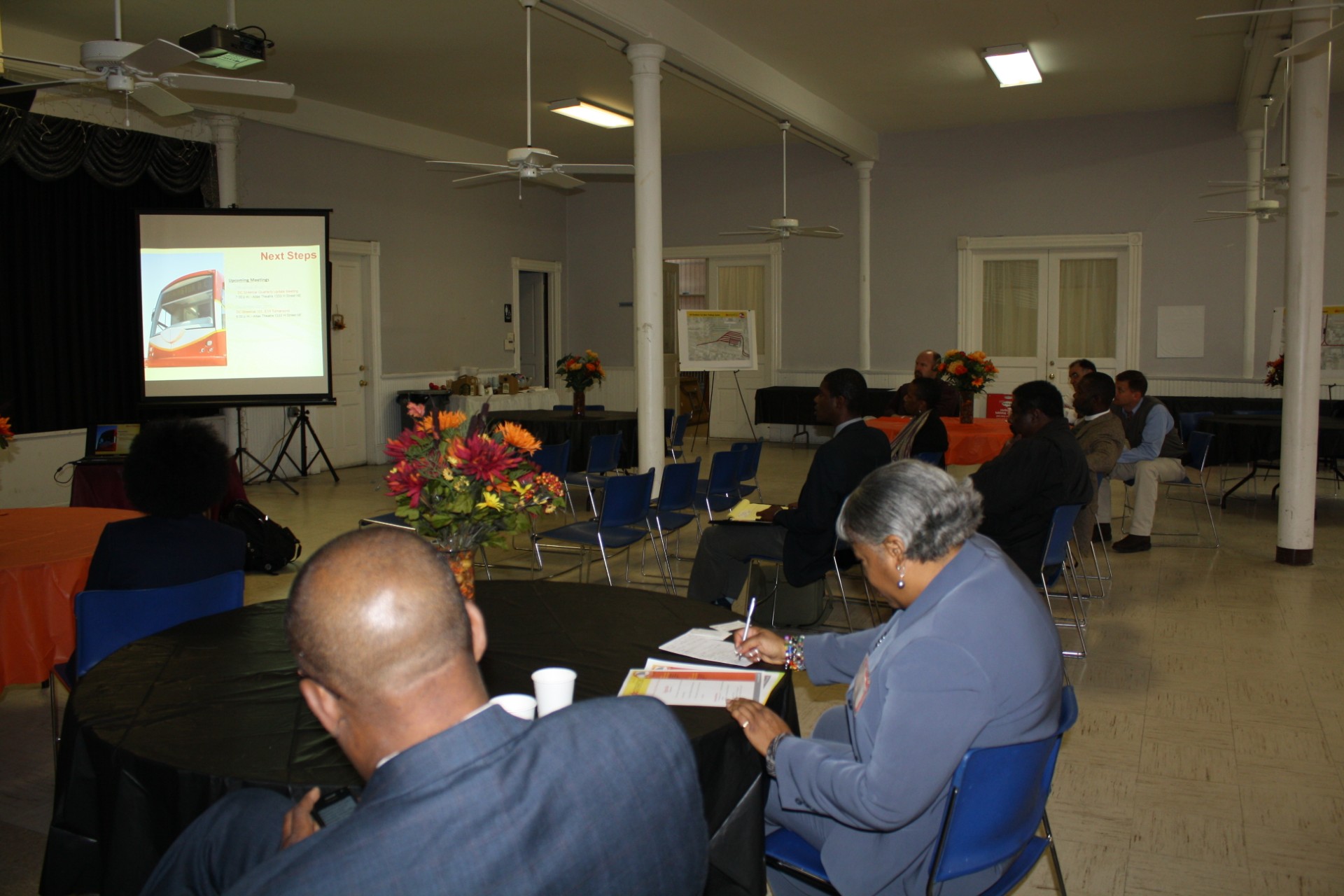
I helped convene the meetings.
I helped translate policy into plain language.
I helped hold the tension between vision and reality.
And I helped activate the corridor in ways that proved—without question—that people would come if given a reason.
I remember:
• Planning job fairs that overwhelmed the space at Matthews Memorial Baptist Church—standing room only, lines out the door—evidence that access to opportunity was not theoretical, it was immediate and urgent.
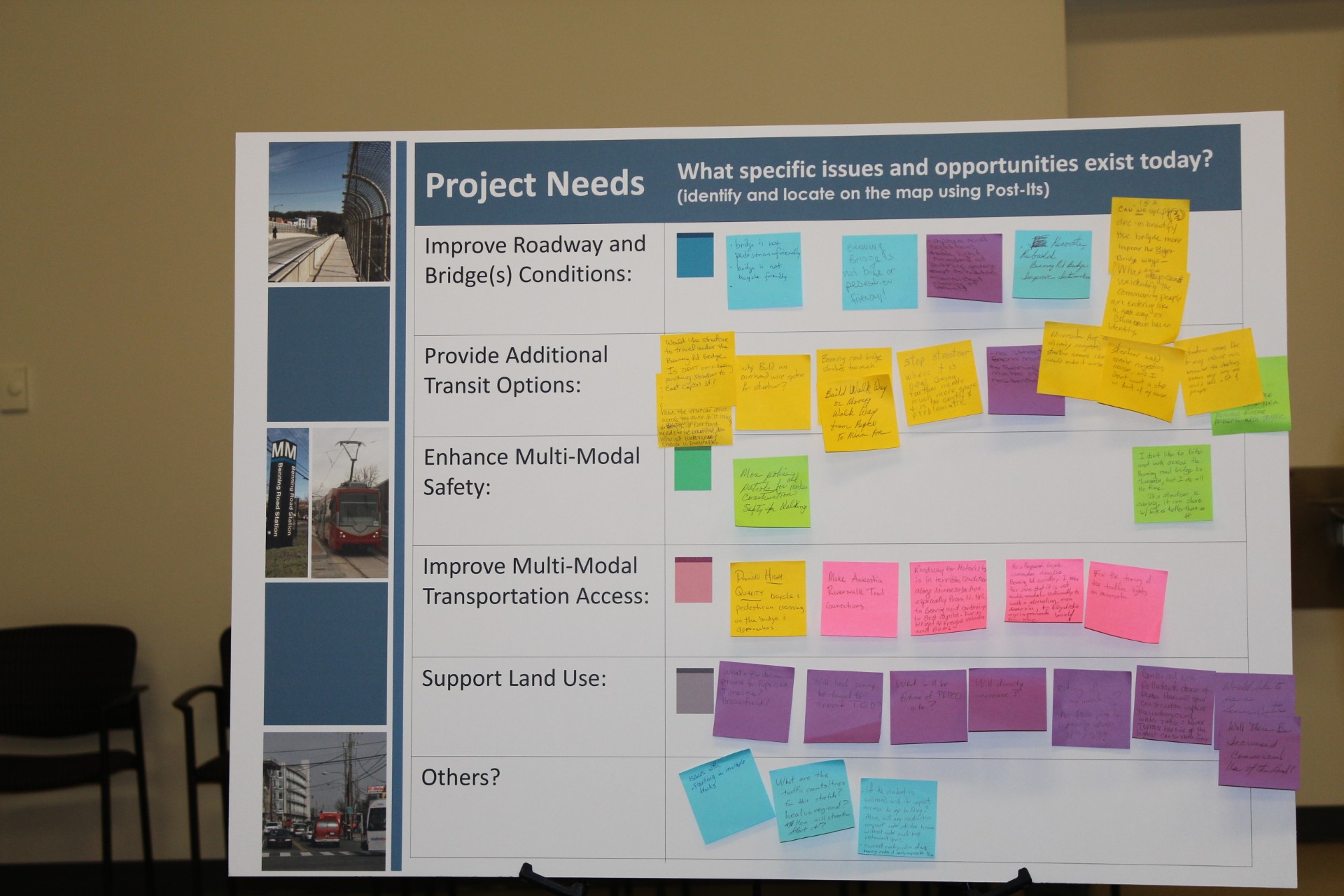
• Sitting with residents, using a pen to demonstrate just how wide those overhead wires would be—how they would stretch across the skyline of H Street, but be nearly invisible.
• Negotiating concerns about the constant ringing of the streetcar bells—what it meant for quality of life, for peace, for sleep.
• Talking to cyclists about the real danger of narrow tires slipping into the tracks—and asking them to reroute for safety.
• Listening to small business owners—some hopeful, others fearful—wondering whether they would survive the long construction period or be replaced by something shinier, more expensive, and less rooted.
We asked people to trust the process.
We asked them to endure disruption for long-term gain.
We asked them to believe that this was bigger than inconvenience—that it was about connection.
And the Promise Was Bigger Than a Trolley
This was never supposed to be just a 2.2-mile line.
The Streetcar was positioned as connective tissue—linking neighborhoods historically underserved by Metrorail. It was meant to stitch together communities that had long existed in proximity, but not in relationship.
It was about access.
Economic mobility.
Foot traffic.
Investment.
Belonging.
But here’s the deeper truth we have to confront:
Washington, DC’s transit system is actually quite strong—if your destination is downtown.
The radial design of systems like Washington Metro efficiently moves people from neighborhoods into the core. That’s where the investment has been concentrated. That’s where the system works.
But if you are trying to move across neighborhoods—East to West, community to community—the system breaks down.
For residents in places like:
• Congress Heights
• Bellevue
• Washington Highlands
…the need is not always to get downtown.
The need is to:
• Get to a job in another neighborhood
• Access healthcare across the river
• Reach grocery stores, schools, or services that are not within immediate proximity
• Build economic and social ties across communities that have been historically siloed
And those connections?
They remain woefully inadequate.
The Streetcar was supposed to be part of solving that.
The Questions We Can’t Avoid
If the system is now shuttered, we have to be honest enough to ask the hard questions:
• Does this mean cross-neighborhood connectivity is no longer a priority?
• Was there truly no demand—or did we fail to design for it?
• Why didn’t the system expand as planned?
• Where are the studies, projections, and models that justified the investment?
• And who is accountable for the gap between what was promised and what was delivered?
Because this wasn’t a small experiment.
This was a publicly funded commitment with a substantial budget and years of community buy-in.
A System That Never Became a System
Let’s be clear: the performance challenges of the DC Streetcar were real.
• It operated in mixed traffic—meaning it was often no faster than the congestion around it.
• It lacked dedicated lanes, reducing reliability and efficiency.
• It averaged roughly 3,000 riders daily, compared to more than 10,000 riders on the parallel bus routes in the same corridor.
But context matters.
Across the country, streetcars have succeeded—when designed as part of a system, not a symbol.
• Portland Streetcar has demonstrated how streetcars can drive dense development and sustain strong ridership.
• Detroit QLine benefits from more dedicated infrastructure, improving performance.
• Seattle South Lake Union Streetcar, while debated, still connects key employment hubs.
And then there’s Atlanta Streetcar—often criticized for being slower than walking, raising questions about whether some systems are built more for optics than utility.
Too often, DC’s Streetcar gets grouped into that last category.
And that comparison should concern all of us.
This Is Bigger Than Transit
What troubles me most is not just that the Streetcar didn’t meet expectations.
It’s that we asked communities—especially communities east of the river and along key corridors—to endure disruption in the name of transformation.
We asked them to hold on.
And now, we’re left with a partial build, a halted vision, and no clear articulation of what comes next.
That erodes trust.
Not just in transportation planning—but in government, in development, in every future promise that will require community buy-in.
So What Now?
If we are serious about equity, about connectivity, about economic development—we cannot afford to quietly walk away from this.
We need answers.
We need transparency.
And more importantly, we need a forward strategy.
Because the need that the Streetcar was meant to address?
It didn’t disappear.
In fact, it’s still showing up every day—in overcrowded job fairs, in long cross-town commutes, in the gaps between where people live and where opportunity exists.
The question is not whether we need cross-neighborhood connection.
The question is whether we are willing to build it the right way—and stay committed long enough to see it through.