History Doesn't Happen by Accident
St. Elizabeth Hearing
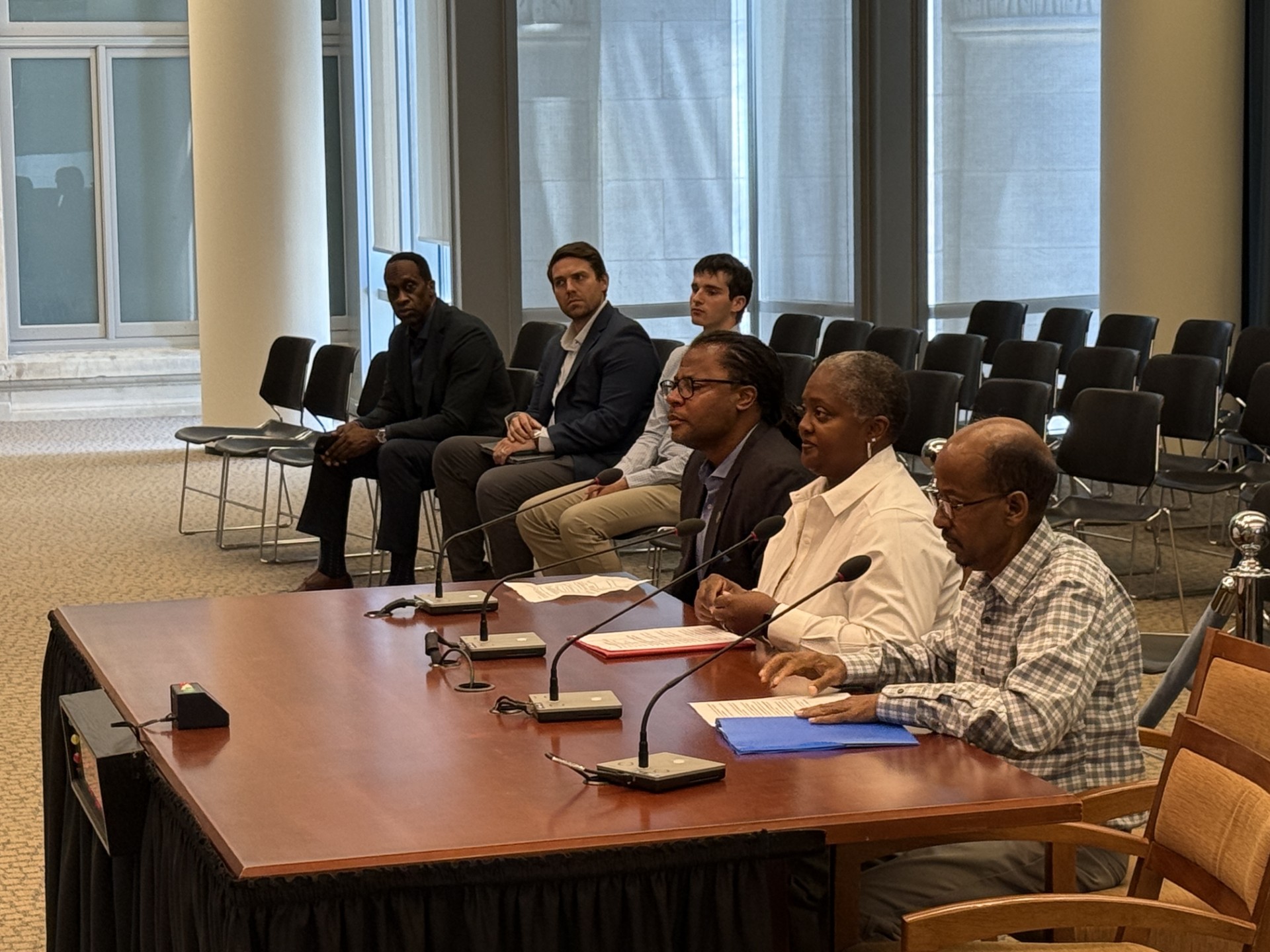
Yesterday, I had the privilege of testifying in support of the development teams proposed for Parcels 6, 7/8/9, and 13 on the St. Elizabeths East Campus.
For many, this was simply another public hearing.
For those of us who have spent decades fighting for equitable investment east of the river, it was something far more profound.
It was history.
For generations, communities east of the Anacostia River have watched major public investments happen somewhere else. We have watched opportunities bypass our neighborhoods. We have watched talented minority developers struggle to gain access to projects large enough to transform not only skylines, but balance sheets, generational wealth, and entire communities.
Yesterday was different.
Yesterday showed what happens when government is intentional.
Years ago, the District made a commitment that the redevelopment of St. Elizabeths would not simply produce new buildings. It would produce new opportunities. That commitment took courage. It meant changing long standing practices and opening doors that had historically stayed closed.
The result: three minority led development teams now stand poised to help shape one of the most important redevelopment projects in Washington, DC.
That did not happen by coincidence.
It happened because leaders believed that diversity should be reflected not only in who lives in our neighborhoods, but in who develops them, who finances them, who builds them, and who benefits from the wealth they create.
As someone who has spent years advocating for equitable development in Congress Heights, yesterday's hearing was personal.
I have watched the St. Elizabeths campus evolve from acres of fencing, vacant buildings, and unrealized potential into a place that now draws visitors, businesses, entrepreneurs, residents, and investors. I have watched Parcel 15 become proof that thoughtful development can create real openings for local entrepreneurs, Black women owned businesses, and neighborhood activation.
Yesterday's hearing builds on that momentum. These projects will bring new housing, retail, jobs, public space, and amenities our community deserves. Just as important, they continue building a development ecosystem where minority developers are not subcontractors or participants, but leaders.
That distinction matters. Representation in development changes who gains experience, who builds capacity, who earns profit, who creates jobs, and ultimately who builds generational wealth in communities that have too often been left out of it.
This is what equitable development looks like.
Not charity. Not symbolism. Opportunity.
Yesterday's hearing is also a reminder that the work is not finished. St. Elizabeths is one of the most significant redevelopment opportunities in America, and every completed parcel brings us one step closer to the vision residents have waited decades to see fulfilled.
Momentum matters. We cannot afford to slow down now.
The District has shown that intentional procurement can produce exceptional development teams while expanding opportunity for historically underrepresented firms. That model should not end at St. Elizabeths. It should become part of how we approach economic development across Washington, DC.
To everyone who helped bring us to this moment, public officials, agency staff, community advocates, residents, development partners, and everyone who believed this day was possible, thank you.
Yesterday was more than a hearing. It was proof that when public policy is intentional, equity moves from aspiration to action.
History doesn't happen by accident.
Yesterday, we watched it happen together.